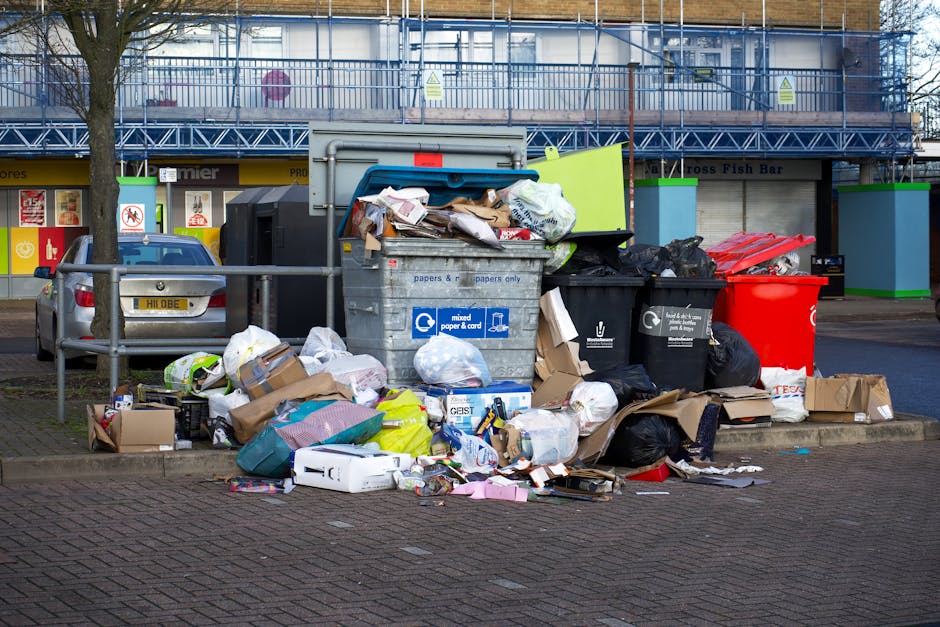
What to know about household rubbish disposal rules Tower Hamlets
If you live in Tower Hamlets, household rubbish can feel simple right up until it isn't. One week it's a black sack and a broken chair. The next it's an old mattress, a bag of recycling that might not be recycling, and a hallway that suddenly looks like a storage cupboard from a bad reality show. Knowing what to know about household rubbish disposal rules Tower Hamlets saves time, avoids avoidable mess, and helps you stay on the right side of local expectations.
This guide breaks the topic down in plain English. You'll find the practical rules that usually matter at home, how disposal generally works, what to do with awkward items, and the mistakes people make when they are in a rush. If you need a broader clear-out after a move or a refurb, you may also find it useful to look at home clearance support or general waste removal options for larger jobs.
Truth be told, rubbish rules are rarely exciting. But they do matter. A lot. And once you understand the basics, the whole thing becomes much easier to manage.
Why What to know about household rubbish disposal rules Tower Hamlets Matters
Household rubbish rules are not just about keeping the street tidy. They affect safety, hygiene, neighbour relations, recycling performance, and whether your waste is collected at all. In a busy London borough like Tower Hamlets, where pavements, bin stores, shared entrances, and narrow access routes are part of everyday life, getting the basics wrong can create a surprising amount of friction.
Think about the usual scenario: a resident leaves a loose bin bag beside the wrong container, or puts a bulky item out on the wrong day. It only takes one misplaced bag for a shared bin area to look untidy, attract pests, or make it harder for everyone else to use the space properly. Nobody wants to be "that flat", and frankly, most people do not mean to cause a problem in the first place.
The rules also matter because different materials need different handling. General household waste, recycling, food scraps, bulky furniture, electrical items, and hazardous materials all follow different expectations. If you mix them up, the result is usually delays, extra work, or the need to arrange a separate disposal route.
For people clearing a property after a tenancy ends, a move, a renovation, or a family change, this can become especially important. A well-planned clearance reduces stress and keeps the process tidy. If that sounds familiar, it may help to compare options such as house clearance, flat clearance, or even loft clearance where access and storage are part of the job.
How What to know about household rubbish disposal rules Tower Hamlets Works
The practical side of household rubbish disposal in Tower Hamlets usually comes down to three things: what you are throwing away, how it needs to be presented, and which collection or disposal route is appropriate. That sounds obvious, but it is where most confusion starts.
In normal day-to-day life, your waste will usually fall into one of a few common groups:
- Residual waste: everyday rubbish that cannot be recycled through the usual household recycling system.
- Recycling: clean, suitable materials that can be sorted and processed separately.
- Food waste: kitchen scraps and other compostable food-related items where a local food waste system is available.
- Bulky waste: larger items like furniture, mattresses, and appliances.
- Special or hazardous items: things that need extra care because they may be harmful, messy, or difficult to recycle.
Presentation matters too. Waste that is overfilled, leaking, mixed incorrectly, or left out in a way that blocks access can be refused or create a nuisance. You'll notice this most in shared blocks, where a tidy bin store can become messy very quickly if one household starts treating it like a dumping point.
If you are unsure about what belongs where, a helpful first step is to separate everything into piles before you do anything else. One pile for recycling, one for general waste, one for donations or reuse, and one for items that need specialist handling. Simple. Not always glamorous, but very effective.
For bigger household clean-ups, it is worth thinking beyond the bin. Services such as furniture clearance, furniture disposal, and mattress and sofa disposal can make life easier when the item is too large or awkward for standard collections.
Key Benefits and Practical Advantages
Following household rubbish disposal rules properly has some very real advantages, and not just for neatness.
- Cleaner shared spaces - bin areas stay safer and more pleasant to use.
- Fewer collection problems - correct sorting and presentation reduces refusals and delays.
- Better recycling outcomes - clean separation makes recycling more effective.
- Less hassle with neighbours or building management - fewer complaints, fewer awkward notes on the noticeboard.
- Safer handling of awkward items - especially for glass, sharp objects, old appliances, or heavy furniture.
- More predictable costs - you are less likely to need last-minute fixes or emergency clearances.
There is also a time benefit people often overlook. A few minutes spent sorting waste properly can save an entire afternoon later, especially if you are dealing with a move, a family house clearance, or the aftermath of a small DIY project that somehow became a bigger project. It happens.
For anyone managing a larger clear-out, it may be useful to understand the link between household waste and other types of disposal. For example, if you've got garden cuttings as well as indoor clutter, garden clearance may fit better than trying to force everything through the usual domestic bin routine. Likewise, mixed household rubbish and appliance waste may be better handled with fridge and appliance removal when electricals need careful treatment.
Who This Is For and When It Makes Sense
This topic is relevant to almost anyone living in a home, but it becomes especially useful in a few situations.
- Tenants who want to leave a property tidy and avoid end-of-tenancy issues.
- Landlords and letting agents who need a clear understanding of what can be removed, sorted, or arranged separately.
- Homeowners who are decluttering before a sale or renovation.
- Families dealing with accumulated waste after years of everyday use.
- Anyone in a flat or shared building where bin space is limited and communal etiquette matters.
- People clearing bulky or sensitive items like old mattresses, appliances, or paperwork.
It also makes sense if you are trying to avoid a "sort it later" situation. Let's face it, later usually means never, and then the bags sit by the front door for a day or three. That is how small jobs turn into annoying ones.
In practice, the rules are most useful when you are planning a change rather than reacting to one. Before a move, after a delivery, following a renovation, or during a spring clear-out, knowing the disposal route early gives you more options and less stress.
For larger homes or properties with a lot of stored items, garage clearance and loft clearance can be sensible next steps because these spaces often hide the stuff that doesn't fit the regular routine.
Step-by-Step Guidance
If you want to handle household rubbish properly without overthinking it, use this simple process.
- Sort the waste by type. Keep recycling, general rubbish, food waste, bulky items, and anything hazardous separate from the start.
- Check whether the item can be reused, donated, or repaired. A chair with a loose leg might not be waste at all. Sometimes the right answer is a second life, not disposal.
- Flatten or bag items appropriately. Loose rubbish is harder to handle, messier, and more likely to cause problems in shared spaces.
- Keep food contamination away from recycling. Greasy pizza boxes and food-soiled packaging often cause confusion, so be careful here.
- Set out waste only when it is meant to go out. Early dumping is one of the fastest ways to upset a tidy bin area.
- Use a specialist route for awkward items. Appliances, mattresses, and hazardous waste need more than the standard sack-and-carry treatment.
- Confirm access and timing. Narrow streets, controlled entry, parking issues, and lift access can all affect how waste is removed.
That's the core process. Keep it simple and you'll usually avoid most headaches.
If the waste is part of a bigger property clearance, you may prefer a single coordinated collection rather than several small trips. In those cases, house clearance or home clearance can be a cleaner fit than trying to manage every item individually.
Expert Tips for Better Results
Most people do the basics. The difference is in the details.
- Start with the awkward items first. Old appliances, broken furniture, and heavy bags are the things that usually slow you down.
- Keep one "maybe" pile. If you are unsure whether something should be kept, donated, or binned, park it separately for a second look.
- Don't overfill bags. Overstuffed sacks split at the worst possible time. Usually on the stairs. Naturally.
- Use strong boxes for loose recyclables. Much easier to carry, and less likely to spill into a communal hallway.
- Protect communal areas. If you are moving items through shared entrances, take a little extra care with corners, walls, and floors.
- Think in zones. Kitchen, bathroom, bedroom, storage, and outdoor waste each need slightly different handling.
One small habit helps a lot: keep a spare bag or box near where waste builds up, such as under the sink or in a utility corner. That way, you are not constantly wandering through the flat with one rogue item in your hand wondering where it belongs.
Another sensible move is to check whether an item has a dedicated disposal route before you start. For instance, sofas and mattresses are easier to deal with when handled through a targeted service like mattress and sofa disposal, while electrical items often fit better with appliance-specific removal. It keeps the process calmer and far more predictable.
Common Mistakes to Avoid
A lot of disposal problems come from a short list of familiar mistakes. Here are the big ones.
- Mixing recycling with general rubbish. This is the most common issue and one of the easiest to avoid.
- Leaving waste in shared areas too early. Even if your intention is good, timing matters.
- Ignoring bulky items. A chair, wardrobe, or mattress does not magically become smaller because it's inconvenient.
- Forgetting about hazardous items. Paints, chemicals, batteries, and similar materials should never be treated like normal household rubbish.
- Assuming everything can go in one collection. Often it can't, and assuming otherwise can create delays.
- Not checking access before booking removal. Narrow stairwells and no-parking streets can complicate even simple jobs.
There is also the classic "I'll sort that later" problem. Later can be fine for some things. For rubbish, not so much.
If your waste includes paperwork, sensitive documents, or old files from home working, it may be worth using a dedicated route such as confidential shredding instead of simply throwing papers into a general bin. It's a small thing, but it matters.
Tools, Resources and Recommendations
You do not need a lot of equipment to dispose of household waste properly, but a few basics help.
- Separate bin bags for different waste types.
- Sturdy boxes or crates for glass, books, or loose mixed items.
- Reusable gloves for dirty, sharp, or dusty objects.
- Tape and labels for keeping categories clear in storage or during a clear-out.
- A tape measure for checking bulky item dimensions before arranging removal.
- Phone notes or a simple checklist so nothing gets forgotten in the rush.
For more complicated jobs, a service that explains what can and cannot be taken is worth its weight in gold. If you are considering a skip as part of a larger disposal plan, it can help to review what can go in a skip before making decisions. That sort of preparation avoids a lot of awkward surprises.
And if your focus is more on sustainability, the site's recycling and sustainability information is useful for understanding the broader best-practice mindset behind waste handling. Not just "get rid of it", but "get rid of it well".
Law, Compliance, Standards, or Best Practice
Household rubbish disposal is shaped by local collection arrangements, building rules, and general UK waste-handling expectations. The exact operational details can vary, so it is always wise to treat local guidance as the final word for collections in your street or building. In general, though, the safest approach is to keep waste sorted, secure, and presented in a way that does not create a nuisance or a safety risk.
Best practice usually means:
- placing waste out only when instructed or scheduled;
- avoiding contaminated recycling;
- keeping communal areas clear;
- separating bulky, electrical, and hazardous items;
- using approved routes for specialist waste;
- ensuring whoever removes waste handles it responsibly.
If a clear-out is larger than normal domestic waste, compliance becomes more than just tidiness. You want the waste transferred, handled, and disposed of by people who understand the practical and safety requirements, especially for mixed loads. That is where professional services can reduce risk.
For larger or more complex jobs, the service approach matters. A reputable provider should be clear about access, item categories, and what happens to the waste after collection. If you are looking into larger premises as well as homes, office clearance and business waste removal show the kind of structured handling that can also help inform domestic best practice. Different setting, same principle: sort properly, move carefully, dispose responsibly.
Options, Methods, or Comparison Table
Choosing the right disposal method depends on what you have, how much of it there is, and how quickly it needs to go. Here's a simple comparison.
| Method | Best for | Pros | Watch-outs |
|---|---|---|---|
| Standard household bins | Everyday rubbish and ordinary recycling | Simple, familiar, low effort | Limited capacity, needs correct sorting |
| Bulky item collection | Large household items, furniture, appliances | Convenient for awkward objects | May need item preparation and access planning |
| Specialist waste service | Mixed loads, heavy clear-outs, sensitive items | Flexible and efficient for bigger jobs | Needs clear item list and timing |
| Skip-based disposal | Renovation waste or larger one-off projects | Good for concentrated amounts of waste | Placement, permits, and permitted materials matter |
In real life, the right choice often changes from room to room. A kitchen clear-out may need one approach, while an old sofa in the lounge needs another. That is normal. It is not a sign you are doing it wrong; it just means household waste is messy by nature.
If your project includes renovation debris, builders waste clearance may be more appropriate than ordinary domestic disposal. It's a small distinction, but it saves a lot of hassle.
Case Study or Real-World Example
Here's a realistic example from the kind of situation many Tower Hamlets residents recognise.
A family in a second-floor flat is preparing for a move. Over time, they have collected a broken bedside table, a couple of old suitcases, a worn-out mattress, some kitchen packaging, and a few bags of mixed household clutter. At first glance, it all looks like "rubbish". But once they start sorting, the picture changes.
The packaging can be recycled if it's clean. The mattress needs a separate route. The bedside table is bulky but still manageable. The suitcases could be reused or passed on, depending on condition. And the mixed clutter? That needs bagging carefully so it doesn't spill during the walk to the bin store.
By separating everything early, they avoid dragging the same items around twice. They also avoid leaving random bits in the hall while deciding what to do next. A small win, but one that makes moving day feel less chaotic. You can almost hear the sigh of relief when the last bag leaves the flat.
In a case like this, a combined household service such as flat clearance or home clearance can be a practical option, especially when access is awkward or time is tight.
Practical Checklist
Use this checklist before you put household rubbish out or arrange removal.
- Have I separated recycling, general waste, and bulky items?
- Is anything reusable, repairable, or suitable for donation?
- Do I have any hazardous items that need special handling?
- Are bags sealed, manageable, and not overfilled?
- Will waste placement block access, exits, or shared areas?
- Do I know whether the item needs a special collection?
- Have I checked access, parking, and collection timing?
- Do I need a specialist service for furniture, appliances, or confidential items?
- Have I kept all communal spaces tidy while preparing the waste?
- Am I confident the disposal route matches the item type?
If you can tick most of those boxes, you are already ahead of the curve.
For a complete property tidy-up, it can also help to think in service areas rather than in loose piles. garage clearance, loft clearance, and furniture clearance can each solve a different part of the same problem.
Conclusion
Understanding what to know about household rubbish disposal rules Tower Hamlets is mostly about being organised, respectful of shared spaces, and realistic about what kind of waste you are dealing with. The basics are straightforward: sort carefully, avoid contamination, respect timing, and use the right disposal route for each item. Once you do that, the whole process feels far less stressful.
The bigger lesson is this: rubbish is only "simple" when it is handled in the right way. A little planning now saves a lot of frustration later, and it helps keep your home, your building, and your street in better shape. That's worth doing, even on a busy week.
Get a free quote today and see how much you can save.
Frequently Asked Questions
What counts as household rubbish in Tower Hamlets?
Household rubbish usually means ordinary waste generated from day-to-day living, such as packaging, broken everyday items, leftover non-recyclable materials, and similar domestic clutter. Items like appliances, mattresses, and hazardous materials often need separate handling.
Can I put furniture out with normal household waste?
Usually not. Furniture is bulky and often needs a specialist collection or a separate disposal route. Sofas, wardrobes, and chairs are best treated as bulky waste rather than ordinary bin rubbish.
What should I do with a mattress or sofa?
Mattresses and sofas typically need dedicated removal because they are large, awkward, and not suitable for standard bin collections. A targeted service such as mattress and sofa disposal is usually the cleaner option.
Can I mix recycling with general rubbish if I'm in a hurry?
It's better not to. Mixed waste can cause problems in shared bins and may reduce what can be properly recycled. A few extra minutes of sorting usually saves more time later.
What happens if I leave waste in a communal area too early?
It can cause obstruction, nuisance, and complaints from neighbours or building managers. In shared blocks especially, waste should be set out at the right time and in the right place.
Are old electrical items treated differently?
Yes. Electrical items often need separate treatment because they may contain components that should not go in ordinary household waste. Fridges, in particular, usually need specialist handling.
What if I have a lot of waste after moving house?
If you have more than ordinary bin waste, a broader clearance service may make more sense. House clearance or flat clearance can be helpful when there are multiple items from different rooms.
Do I need special help for confidential papers?
If the papers contain personal or business information, it is wise to use a confidential shredding service rather than simply putting them in general waste. It adds a layer of reassurance.
Is skip hire always the best option?
Not always. Skips are useful for some jobs, especially renovation waste, but they are not ideal for every household clearance. It depends on the materials, space, and how much waste you have.
How do I avoid rubbish disposal mistakes in a shared building?
Keep waste separated, bagged properly, and timed correctly. Don't block access routes, don't overfill sacks, and don't assume someone else will sort it out later. That rarely ends well.
Can household rubbish include garden waste?
Garden waste can be handled separately, and in many cases it is better to use a dedicated garden clearance route rather than mixing it with indoor rubbish. Branches, soil, and cuttings often behave differently from domestic waste.
What's the safest first step if I'm unsure about disposal rules?
Sort the waste into categories first, then identify anything bulky, hazardous, or sensitive. Once you know what you have, deciding the right disposal route becomes much easier.